How to Measure Yourself for a Dress Hire: 2026 Guide
Table of Contents
- What You'll Need Before You Start Measuring
- How to Use a Tape Measure Correctly for Dress Hire
- Key Body Measurements for Dresses: Bust, Waist, and Hips
- Your Dress Size Guide Australia: Comparing Measurements to Size Charts
- How to Choose the Right Dress Size Online
- Hollow to Hem Measurement Guide for Floor-Length Gowns
- The Sitting Test and Movement Allowance
- What to Do If Your Dress Doesn't Fit
- Frequently Asked Questions
Last Updated: September 24, 2026
What You'll Need Before You Start Measuring
Getting your measurements right is the difference between a dress that fits like it was made for you and one that sits in the wardrobe all night.
Before you measure yourself for a dress hire, gather these basics:
- A soft measuring tape (the flexible kind, not a builder's tape)
- A full-length mirror
- Fitted clothing or underwear
- A notepad or your phone
- A friend, if you can get one
Wear something close-fitting. Bulky clothes add centimetres that aren't there.
Stand up straight. Don't suck in. Don't slouch. Just relax and breathe normally.
Now, here's what most guides get wrong: they tell you to measure once and write it down. But bodies change. Bloating, weight shifts, and even the time of day can affect your numbers. Measure twice, on different days, and compare.
How to Use a Tape Measure Correctly for Dress Hire
A tape measure only works if you use it properly. Small errors here snowball into big fit problems later.
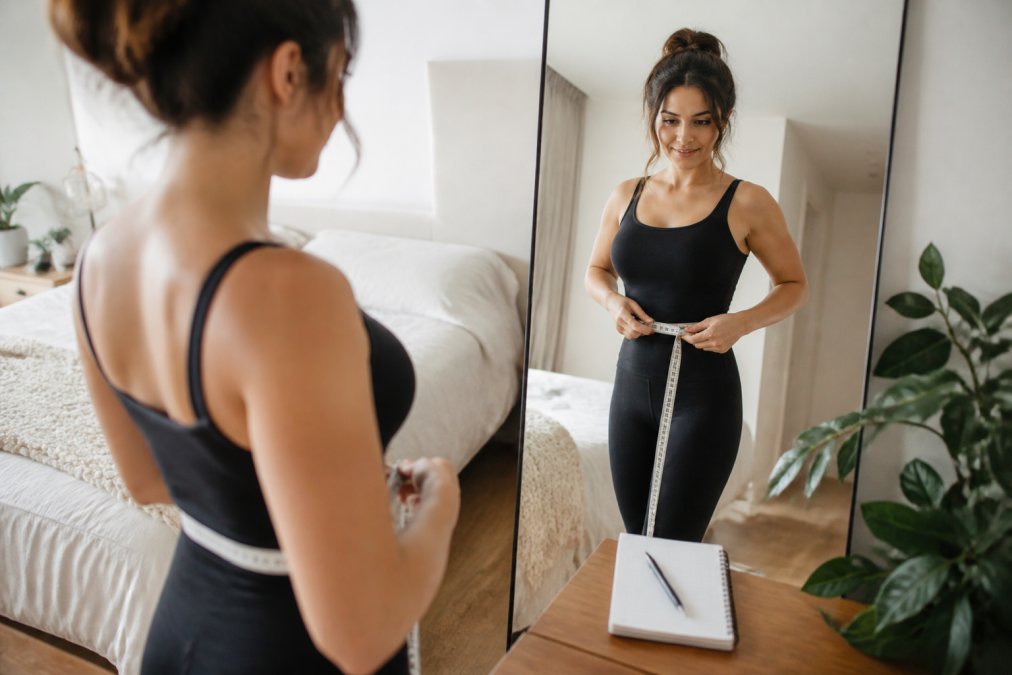
Keep the tape level all the way around your body. If it dips at the back, your measurement will be too small. If it rides up, it'll be too big.
Don't pull tight. The tape should sit snug against your skin without digging in. You should be able to slip one finger underneath.
Standing Position and Tape Tension
Stand with your feet together and your weight evenly balanced. Let your arms hang naturally at your sides.
For bust and waist measurements, keep the tape parallel to the floor. For hips, make sure it wraps around the fullest part of your bottom.
Tension matters more than most people realise. A tape pulled too tight can shave off 2-3 centimetres. That's the difference between a size 10 and a size 12.
Key Body Measurements for Dresses: Bust, Waist, and Hips
These three numbers form the foundation of every dress size guide. Get them right and everything else falls into place.
Finding Your Natural Waist
Your natural waist isn't where your jeans sit. It's the narrowest part of your torso.
To find it, bend sideways. The crease that forms is your natural waist. Mark that spot.
Wrap the tape around that point, keeping it level. Breathe out normally before you read the number.
Measuring Bust Circumference and Hip Measurement
For your bust circumference, wrap the tape around the fullest part of your chest. Keep it level across your back.
For your hip measurement, stand with feet together and wrap the tape around the widest part of your hips and bottom. This is usually 18-23 centimetres below your waist.
Write both numbers down immediately. Don't try to remember them.
Your Dress Size Guide Australia: Comparing Measurements to Size Charts
Every designer uses their own size chart. A size 10 from one label might match a size 12 from another. This is the single biggest reason online dress shopping goes wrong.
Here's how to compare:
| Measurement | How to Check | What to Watch For |
|---|---|---|
| Bust | Match to chart's bust column | If between sizes, size up |
| Waist | Match to chart's waist column | Don't rely on your usual size |
| Hips | Match to chart's hip column | Consider fabric stretch |
| Hollow to hem | Match to gown length | Critical for floor-length styles |
Always go by your measurements, not the size you normally wear. Designer sizing varies too much for that.
Reading a Designer Size Chart Properly
A size chart is not a single number, it's a range. Most charts list a body measurement range (for example, a waist of 68-72 cm) rather than one exact figure. Your job is to find the row where all three of your key measurements fall inside the stated ranges.
If your bust sits in one row and your waist sits in the next, you are between sizes. That is normal, and it is the single most common reason a hire dress feels wrong.
Converting International Sizes
Rental platforms stock global brands, so a dress labelled 'US 6' or 'UK 10' will not match the numeric size you wear locally. Use the brand's own chart first. If only a foreign label is shown, convert using the brand's published conversion table, not a generic online converter, because vanity sizing varies by label.
As a rough guide, a US size is typically two numbers below the equivalent UK size, and an EU size is typically the UK size plus 28. Treat these as starting points only and always confirm against the specific brand's chart.
What to Do If You Are Between Sizes
When you're between sizes, size up. It's easier to take a dress in than let it out.
There is one exception: if the dress is heavily structured, boned bodice, stiff satin, defined waist seam, sizing up can make the shoulders and bust sit wrong. In that case, contact the rental platform and ask which size their fit team recommends for your measurements.
Check the Fit Notes, Not Just the Chart
A chart tells you body measurements. It does not tell you how the dress is cut. Check the product page for fit notes, 'runs small', 'generous through the hip', 'fitted waist'. Reviews often mention this too. If three reviewers say the same dress runs small, believe them over the chart.
How to Choose the Right Dress Size Online
Choosing the right dress size online comes down to three things: accurate measurements, the specific designer's size chart, and honest assessment of how you want the dress to fit.
Start with your measurements. Then find the size chart for that exact dress.
Accounting for Fabric Stretch and Fit
Fabric stretch changes everything. A structured gown in stiff satin won't give. A jersey dress will move with you.
Ask yourself:
- Does the fabric have give?
- Is there a zip or is it pull-on?
- Does the style require a precise fit?
Hollow to Hem Measurement Guide for Floor-Length Gowns
Hollow to hem is the measurement from the hollow at the base of your neck to where you want the hem to fall. It's essential for floor-length gowns, and it is the measurement most renters get wrong because they measure without their shoes.
To measure:
- Stand straight in the heels you'll wear to the event
- Find the hollow at the base of your throat
- Run the tape straight down to your desired hem length
- Record the number in centimetres
Why Heel Height Changes Everything
A 7 cm heel versus a 10 cm heel shifts your hem line by 3 cm. On a floor-length gown, 3 cm is the difference between grazing the floor and pooling under your feet. Measure in the exact shoes you plan to wear, or add your heel height to a barefoot measurement.
What If the Gown Doesn't Match Your Height?
Most formal gowns are designed for a specific height range. If you're outside that range, you have two options:
- Choose a different style. A midi or tea-length dress removes the hollow-to-hem problem entirely.
- Ask before you book. A quick message to the rental team about your height and heel height will tell you whether the gown will work.
Hollow to Hem vs. Your Height
Hollow to hem is more reliable than height alone because torso length varies. Two people the same height can have different hollow-to-hem measurements. If the rental platform only lists a height range, treat it as a guide and confirm your hollow-to-hem measurement against the gown's stated length before you commit.
The Sitting Test and Movement Allowance
A dress that looks perfect standing still can fail the moment you sit down. This is the test most people skip.
What to Do If Your Dress Doesn't Fit
It happens. Even with perfect measurements, a dress can arrive and not feel right. Here's your plan.
First, don't panic. Check whether the issue is fixable.
- Wrong style? Contact the rental platform immediately
Frequently Asked Questions
How to accurately measure yourself for a dress?
Wear fitted clothing or underwear. Use a soft tape measure, keeping it level and snug but not tight. Measure your bust at the fullest point, your natural waist at the narrowest part, and your hips at the widest point. Write each measurement down in centimetres. Repeat each measurement twice to check accuracy. If you are between sizes, size up.
What is the difference between a garment measurement and body measurement?
Body measurements are taken directly on your body, while garment measurements are taken flat on a dress. A dress hire size guide Australia usually lists body measurements. If a provider gives garment measurements, double them for circumference. Always compare your body measurements to the size chart, not the other way around. This avoids ordering a dress that is too small.
How do I measure my hollow-to-hem length for a floor-length gown?
Stand straight without shoes. Ask someone to measure from the hollow at the base of your neck, between your collarbones, straight down to where you want the hem to fall. For a floor-length gown, measure to the floor. Write this number down. This hollow to hem measurement guide helps you choose the right length, especially for formal wear.
What should I do if my hired dress doesn't fit?
Contact the hire provider immediately. If you are local, ask about a try-on appointment. Style Me Up offers support for fit and sizing solutions, so reach out before your rental duration ends.
Getting the fit right takes a little effort upfront, but it saves so much stress later. At Style Me Up, we make designer dress hire simple with nationwide delivery, flexible hire durations, and a supportive team ready to help with sizing questions. Explore our Australia-wide designer dress hire and find your perfect look for your next event.


