How to Find Your Formal Dress Size: 2026 Guide
Table of Contents
- Why Formal Dress Sizing Differs from Street Clothes
- How to Measure Yourself for a Formal Dress
- Understanding the Formal Dress Size Chart Australia Relies On
- What If You're Between Formal Dress Sizes?
- How Your Undergarments Change the Fit
- Tips for Hiring Formal Dresses Online with Confidence
- Conclusion: Find Your Fit and Enjoy the Event
- Frequently Asked Questions
Last Updated: September 8, 2026
Why Formal Dress Sizing Differs from Street Clothes
Formal dress sizing is not the same as your everyday clothing size, which is why so many women end up between sizes when ordering gowns online. Unlike casual wear, formal and evening wear is typically cut closer to the body with structured bodices, boning, and less forgiving fabric, meaning the garment dimensions matter far more than the number on the tag. Designers also grade their patterns differently, so a size 10 from one label can fit like a size 12 from another, and a formal gown may run smaller through the bust than a similar street dress.
The most common mistake is ordering the same size you buy for work or weekends. A formal dress is designed for a specific silhouette, often with a fitted waist and a skirt that flows from the low hip, so your street size simply does not translate. We see this constantly with customers hiring gowns for weddings and formals, and the fix is always the same: measure the body, not the label. Below, we'll walk you through how to find your formal dress size accurately, step by step, so you can order with confidence.
How to Measure Yourself for a Formal Dress
Your formal dress size is determined by three key body measurements: bust, waist, and hips. These three numbers, taken correctly, will tell you which size to order and where a gown might need adjustment, regardless of the brand or the style of the dress.
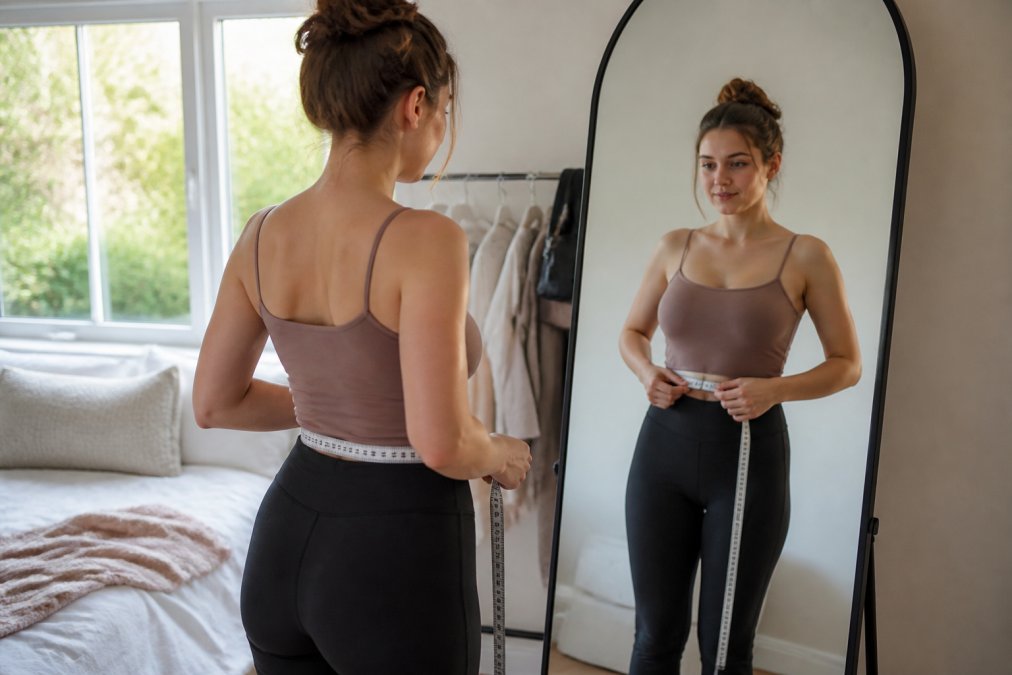
What to Wear and Which Tape Measure to Use
Before you start, wear the undergarments you plan to wear with the formal dress, since a strapless bra or shapewear changes your measurements significantly. A thin, flexible tape measure is essential; a metal ruler or a fabric tape that has stretched over time will give you inaccurate numbers. If your tape measure is worn, compare it against a ruler to check its accuracy, and always measure in both inches and centimetres so you can match any size chart.
Step-by-Step: Bust, Waist and Hip Measurements
Follow these steps in front of a mirror, keeping the tape level and snug but never tight enough to compress the skin.
- Bust: Wrap the tape around the fullest part of the bust, keeping it parallel to the floor. Let your arms rest at your sides and breathe normally. This measurement drives the bodice fit, which is the hardest area to alter.
- Waist: Find your natural waistline, which is the narrowest part of your torso, usually a few centimetres above your belly button. Bend to one side and the crease that forms is your natural waist. Measure there, keeping the tape level.
- Hips: Stand with your feet together and measure around the low hip, which is the fullest part of your seat, roughly 18 to 20 centimetres below your natural waistline. This matters most for fitted or mermaid silhouettes.
Record each measurement twice to confirm consistency. If the two numbers differ, measure a third time and use the most common result. For a complete guide to taking accurate body measurements, the Australian government's body measurement standards resource offers practical guidance on technique.
Understanding the Formal Dress Size Chart Australia Relies On
A formal dress size chart Australia retailers use typically maps your bust, waist, and hip measurements to a size from 6 to 24, but the ranges vary between designers. Your formal dress size is the largest size your three measurements fall into, not the average. If your bust measures a size 12 but your hips measure a size 14, you need the 14, because taking in a waist is far easier than letting out a hip that is too tight.
Australian Sizes vs. International Conversions
Australian formal dress sizes broadly follow UK sizing, but they run smaller than US sizes and larger than many European and Asian labels. A size 12 in Australia is roughly a US size 8 and a UK size 12, though this shifts with each designer's cut. When ordering from an international label, always check their size conversion chart rather than assuming your Australian size applies. The difference is most pronounced in the bust and through the shoulders, where Asian and European cuts tend to be narrower. A guide to international clothing size conversions can help you understand how these systems differ before you commit to a hire or purchase.
What If You're Between Formal Dress Sizes?
If your measurements fall between two sizes on a formal dress size chart, the safest choice is usually the larger size, provided the dress can be taken in. This is because letting a gown out is rarely possible, as formal dresses often lack the seam allowance to add fabric, while taking a bodice in by a size or less is a straightforward job for a seamstress. Order the larger size and plan for a small alteration to the waist or straps.
Fabric Stretch and Silhouette Considerations
The fabric and silhouette of the dress change this rule. A gown with significant fabric stretch, such as a crepe or jersey knit, will forgive a half-size difference and hug your curves without gaping, so you can often stay with the smaller size. A structured gown with boning, a corset back, or a fitted bodice has no give, so you must match your largest measurement exactly. Similarly, an A-line or ballgown skirt gives you room through the hips, meaning your bust and waist are the only numbers that truly matter, while a fitted mermaid or sheath style demands accuracy in all three.
When Alterations Are Feasible
Alteration feasibility depends on where the dress is too big and how much fabric is available. Taking in side seams by a couple of centimetres, shortening straps, or adjusting a waistline are common and inexpensive fixes. Raising a hem is nearly always possible, but lowering it is not, so a dress that is too short is a lost cause. Likewise, a bodice that is too small cannot be widened without adding fabric panels, which ruins the design. If you are between sizes and the dress has no stretch, choose the larger size and budget for a seamstress appointment rather than hoping the smaller one will stretch.
How Your Undergarments Change the Fit
Your undergarments are part of the measurement, not an afterthought. A strapless bra, a plunge bra, or shapewear can change your bust and waist measurements by several centimetres, which is enough to move you into a different size on the chart. Measure yourself wearing the exact undergarments you plan to wear with the gown, and bring those same undergarments to any try-on appointment.
Explore our Australia-wide designer dress hire →
The Mechanism: How Different Bras Shift Your Numbers
The type of bra you wear changes not just the number on the tape but where your breast tissue sits. A standard underwired bra lifts and separates, often adding 2.5 to 5 centimetres to your bust measurement compared to going braless. A strapless bra compresses tissue slightly and can reduce the fullest part of the bust by 1 to 2.5 centimetres, but it also changes the shape, pushing tissue upward and creating a different line through the bodice. A plunge bra offers minimal coverage and can reduce the measurement at the fullest point by up to 5 centimetres compared to a full-coverage bra, which matters if the dress has a deep neckline.
Shapewear and Waist Measurements
High-waisted shapewear or control briefs can reduce your natural waist measurement by 2.5 to 5 centimetres, depending on the compression level. This is significant because a formal dress bodice is often cut to your natural waist, and a difference of 5 centimetres can move you from a size 12 to a size 10 on the chart. However, shapewear also changes how the dress drapes over your hips and lower abdomen. If you plan to wear firm shapewear on the night, measure with it on. If you are unsure whether you will wear it, measure without it and order the larger size, because a dress that is slightly loose through the waist can be taken in, but one that is too tight across the hips cannot be let out.
Matching Undergarments to the Dress Silhouette
The dress itself dictates what undergarments you can wear, which in turn dictates your measurements. A gown with a low back or a sheer panel may require a low-back bra or adhesive cups, neither of which provides the same support or measurement as a standard bra. A dress with a deep V-neckline may require a plunge bra, which changes the bust measurement at the fullest point. For a backless gown, you may need to go braless or use silicone adhesive cups, which can reduce your bust measurement by several centimetres compared to a wired bra. If you are hiring a gown, confirm with the provider whether their fit advice accounts for different undergarment styles.
A Practical Approach for Hiring
When you hire a formal dress, you often do not know exactly which undergarments will work until you see the gown in person. The safest approach is to measure yourself twice: once in your everyday underwear and once in the most supportive undergarments you might wear. Compare both sets of numbers against the size chart. If the two sets of measurements fall into the same size, order that size. If they straddle two sizes, order the larger size and plan to have the bodice taken in if you opt for lighter undergarments on the night. This dual-measurement strategy is rarely mentioned in standard size guides, but it solves the most common fitting problem for formal wear, where the undergarment choice is often not finalised until the dress is already booked.
Tips for Hiring Formal Dresses Online with Confidence
Hiring a formal dress online removes the pressure of buying, but it raises the stakes on sizing, since you cannot try the gown on before it arrives. Start by measuring yourself fresh, not relying on measurements from months ago, as your body changes and even a couple of kilograms can shift your size. Then compare your numbers against the specific size chart for the dress you want, not a generic chart, because each designer cuts differently.
Look for hire services that offer a boutique try-on experience, which can take the guesswork out of the process. Before you book, check the provider's policy on alterations, as some services allow minor adjustments while others do not. For a stress-free option, the Australian Competition and Consumer Commission's guide to buying online outlines your rights when ordering goods from a distance, which is useful to understand before you commit.
Conclusion: Find Your Fit and Enjoy the Event
Finding your formal dress size comes down to measuring your body accurately, comparing those numbers to the specific size chart of the gown you want, and planning for the reality that you may sit between sizes. The effort takes ten minutes with a tape measure, and it saves you the heartbreak of a gown that does not zip or a bodice that gapes on the night of the event. When you know your measurements, hiring a designer dress online becomes simple, because you can order with confidence knowing the silhouette will suit your shape. Style Me Up offers nationwide delivery across Australia and a boutique try-on experience on the Central Coast, where you can test the fit in person before your event. Explore our Australia-wide designer dress hire and find a gown that fits beautifully, so you can focus on enjoying the celebration.
Frequently Asked Questions
Do formal dress sizes run small?
Yes, formal dress sizes often run smaller than your usual street clothes size. Designer and evening wear labels frequently use a different fit model, so a size 10 formal gown may feel like a size 8 from a high-street brand. This is why taking your own body measurements with a tape measure is more reliable than guessing based on your usual size. Always check the specific size chart for the dress you are considering, and pay attention to the fabric stretch and silhouette, as these affect how the garment fits.
What is a size 10 dress equivalent to in formal wear?
In Australian formal wear, a size 10 typically corresponds to a bust of approximately 84-86 cm, a waist of 64-66 cm, and a hip of 92-94 cm. However, this can vary between designers. Some formal wear labels use a 'vanity' sizing system, while others cut their garments smaller. The safest approach is to compare your own measurements against the specific size chart provided for each dress, rather than relying on the size label alone.
Should I size up when hiring a formal dress online?
Not automatically. Sizing up can help if you are between sizes or if the dress has no stretch and a fitted silhouette, as taking a dress in is often easier than letting it out. However, if you size up too much, the bust, shoulders and waist may not sit correctly. Focus on your largest measurement: if your hips are a size 12 but your bust is a size 10, order the 12 and plan for alterations to the bodice for a custom fit.
How do I know what size formal dress I am if I'm between sizes?
If your measurements fall between two sizes, order the larger size. It is much simpler for a seamstress to take a dress in than to let it out, especially if there is no spare seam allowance. This rule is particularly important for fitted gowns and styles without stretch. When hiring a dress, check the hire company's policy on alterations and confirm whether they offer a back-up size to help you choose.