
What to Wear to Black Tie: Women's Dress Code Guide
Table of Contents
- What Does Black Tie Mean for Women?
- Black Tie Dress Code for Women: The Essential Rules
- Black Tie Wedding Guest Outfit Ideas That Work
- Accessories, Shoes, and Finishing Touches
- Designer Dress Hire for Formal Events: A Smarter Way to Shop
- What to Avoid Wearing to a Black Tie Event
- Sustainable Options and Rental Etiquette
- Your Black Tie Game Plan
- Frequently Asked Questions
Last Updated: September 9, 2026
A black tie invitation is one of the few remaining dress codes where the rules actually matter. For women, the black tie dress code for women is refreshingly clear: think floor-sweeping elegance, refined fabrics, and a polished finish that signals you respect the occasion. The most common question we hear is simple: what to wear to black tie without looking overdressed or underprepared? The answer is less complicated than most guides suggest.
The good news is that the modern interpretation of black tie offers genuine freedom. While men are bound to the tuxedo, women can choose between a dramatic gown, a sophisticated cocktail dress, or even a well-tailored jumpsuit, provided it reads as formal. The core principle is that black tie attire is evening wear at its most polished. This guide walks you through the essential rules, outfit ideas, and styling tips, plus the practical side of sourcing a designer gown without the designer price tag.
What Does Black Tie Mean for Women?
Black tie is a formal evening dress code that signals a high-end, after-6pm event. For women, it translates to floor-length gowns, elevated cocktail dresses, and luxurious fabrics that catch the light. The expectation is that you arrive looking intentional, as though the outfit was chosen for the specific occasion, not pulled from a general wardrobe.
Unlike white tie, which demands the most formal gowns and gloves, black tie allows for personality (en.wikipedia.org). A column silhouette, an A-line skirt, or a draped halter all work beautifully. The unifying thread is length and fabric: hemlines should skim the floor or fall just below the knee for cocktail options, and materials should be evening-appropriate rather than casual.
Black Tie Dress Code for Women: The Essential Rules
The essential rules for women attending a black tie event are straightforward: choose a floor-length gown or a formal cocktail dress, select luxurious fabrics, and ensure your accessories elevate rather than distract. Comfort matters as much as style, since you will likely be standing, mingling, and dancing for hours.
A common mistake is treating black tie as interchangeable with "fancy." Sequins alone do not make an outfit formal. The dress code is about the overall presentation: silhouette, fabric, and finish. Structured bodices, clean lines, and thoughtful tailoring read as more formal than casual prints or jersey materials. When in doubt, err on the side of elegance.
Floor-Length Gowns vs. Fancy Cocktail Dresses
Floor-length gowns are the safest and most traditional choice for black tie events. They immediately communicate formality and photograph beautifully, which matters for weddings and galas. The Nookie Penelope Drape Gown, crafted from lightweight satin with a low draped neckline and side tucks, exemplifies how a well-cut maxi dress sculpts the figure while remaining comfortable.

Fancy cocktail dresses are acceptable for less traditional black tie events, particularly those labelled "black tie optional." A cocktail dress should fall below the knee and feature elevated details like beading, lace, or a structured bodice (brides.com). The Rebecca Vallance Diana Gown, with its corded lace sequin fabrication and boned bodice, offers the drama of a gown in a more wearable format.
Fabrics That Read as Formal
Fabric choice makes or breaks a black tie outfit. Satin, silk, chiffon, velvet, and quality lace all read as formal because they drape elegantly and reflect light in ways that casual cotton or linen cannot. A satin gown like the Nookie Calypso Halter Gown, with its sculpted draped plunge and structured lined bodice, is a reliable choice.
Avoid matte, heavy, or casual fabrics such as thick knits, jersey, or denim. Even a beautifully cut dress fails the dress code if the material looks daytime. Equally, be cautious with overly shiny synthetics that photograph poorly. The goal is a refined sheen, not a glare.
Black Tie Wedding Guest Outfit Ideas That Work
For weddings, consider the venue and season. A summer garden reception might suit a lighter chiffon or a jewel-toned satin, while a winter ballroom calls for velvet or deeper hues. The Nookie Penelope Drape Gown in Mulberry is a versatile choice that works across seasons, pairing a flattering halter neckline with a rich, event-appropriate colour.

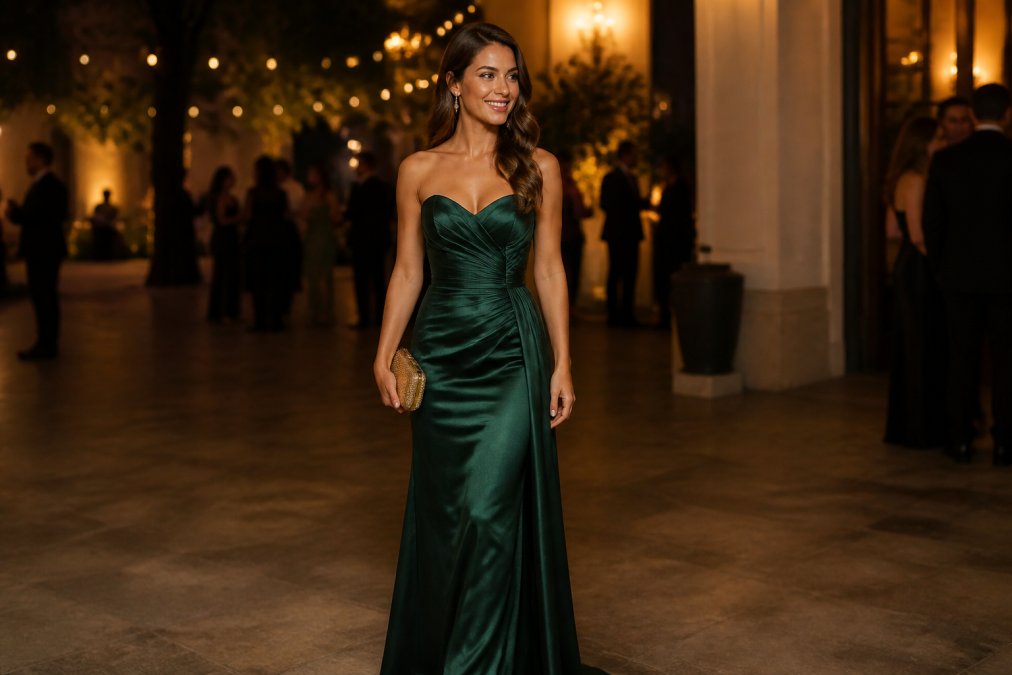
The key to wedding guest styling is avoiding white or ivory, which is reserved for the bride, and steering clear of anything too revealing for a ceremony setting. A dress with a partial back cut-out, like the Zimmermann Alchemy Billow Maxi Dress, offers modern interest while remaining tasteful. Pair it with understated jewellery and let the gown carry the look.
Accessories, Shoes, and Finishing Touches
Accessories are where a black tie outfit moves from simply formal to genuinely polished. The guiding principle is restraint: each piece should earn its place. When your gown is the statement, accessories should whisper, not shout. Here is a practical checklist for styling.
The Evening Bag
A small clutch or minaudière is the only acceptable bag for black tie. It should be just large enough for your phone, a lipstick, and a compact. Look for structured silhouettes in satin, velvet, or metallic leather. Avoid anything with a long strap that you would wear across your body; it reads as daytime. If you need to carry more, consider a separate tote for travel and transfer your essentials to the clutch before the event.
Jewellery: The Edit Rule
Limit yourself to three jewellery touchpoints. If you are wearing statement earrings, skip the necklace. If your gown has a high neckline or heavy embellishment, choose small studs or no earrings at all and focus on a bracelet or a single cocktail ring. For metals, match the undertone of your gown: yellow gold warms jewel tones like emerald and ruby, while platinum or white gold complements cool blues, blacks, and icy pastels.
Shoes: The Comfort-First Formula
Heels are standard, but the height should be dictated by your stamina, not just the look. A 7cm block heel or a platform sole offers the elegance of a stiletto with significantly more stability for dancing and standing (health.harvard.edu). If you opt for a thin heel, ensure it has a sturdy ankle strap. Open-toe styles are appropriate for warmer months, while closed-toe pumps in satin or patent leather suit winter events. Break your shoes in around the house for at least two evenings before the event to soften the leather and avoid blisters.
Grooming Standards for Formal Occasions
Black tie extends beyond the outfit to your overall presentation. Polished hair and makeup are part of the dress code, even if unstated. This does not mean a full glam look; it means intentional styling. Ensure your hair is neatly arranged, whether worn down, up, or in a sleek style. Nails should be clean and either bare or in a neutral or coordinating shade. Avoid heavy perfume; venues are often crowded and enclosed, and a strong scent can overwhelm fellow guests. A light application at the pulse points is sufficient.
Etiquette That Completes the Look
The way you carry yourself matters as much as what you wear. Arrive on time or slightly early; walking in late during a formal dinner or ceremony disrupts the flow. When seated, place your clutch on your lap or behind your back, never on the table. If you are attending a wedding, follow the couple's lead on ceremony etiquette, and always check whether the event is indoors or outdoors so your accessories suit the environment. A well-dressed guest who is punctual, gracious, and comfortable is the true embodiment of black tie style. styling a silk scarf.
Designer Dress Hire for Formal Events: A Smarter Way to Shop
Designer dress hire for formal events has become the preferred approach for Australian women who want luxury labels without the purchase cost. Hiring allows you to wear a show-stopping gown for a fraction of the retail price, and it sidesteps the clutter of single-use garments that hang in the wardrobe after one event.
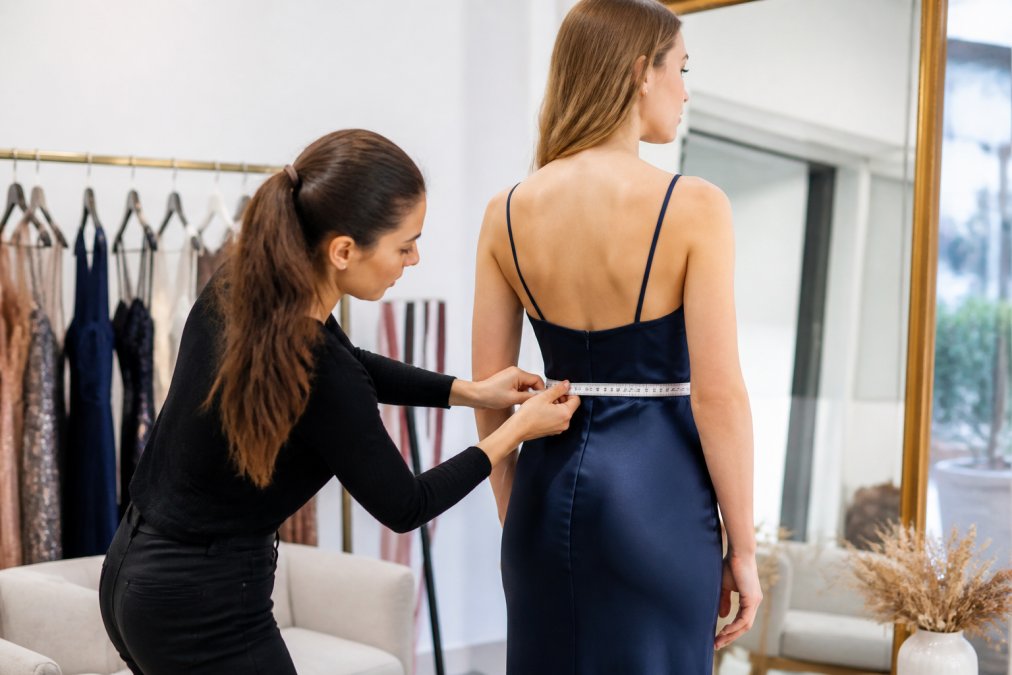
Style Me Up offers premium designer gowns for hire with nationwide delivery across Australia. For those near the Central Coast, boutique try-on appointments provide a relaxed, personalised fitting experience. Flexible hire durations and hassle-free returns mean you can secure your outfit, wear it, and send it back without stress. Customers consistently praise the service and the compliments their hired dresses attract.
What to Avoid Wearing to a Black Tie Event
Knowing what not to wear is just as important as knowing what to wear. The most common black tie failures are not about choosing the wrong gown; they are about misreading the formality of the occasion. Here is a detailed breakdown of common mistakes, and how to correct them.
The Casual Fabric Trap
A dress can have the right silhouette and still fail the dress code if the fabric reads as daytime. Avoid cotton, linen, jersey, thick knits, and denim in any form. These materials do not drape elegantly or catch the light in the way formal evening wear requires. A maxi dress in a soft jersey or a cotton sundress, no matter how beautifully cut, will look underdressed next to satin and silk. If you are unsure, run the fabric test: hold the material up to the light. If it does not have a subtle sheen or a luxurious weight, it is likely too casual.
The Length and Silhouette Mistake
Cocktail dresses that fall above the knee are a common error for events labelled 'black tie' rather than 'black tie optional'. When in doubt, err on the side of length. A floor-length gown is always safe; a dress that ends mid-thigh is not. Similarly, avoid overly casual silhouettes such as slip dresses without structure, or dresses with visible elastic waistbands. Formal dressing relies on tailoring and structure, so choose pieces with boning, defined waists, or clean architectural lines.
The Colour and Print Pitfalls
While black is traditional, it is not mandatory, and colour is welcome at most modern black tie events. However, avoid neon or overly bright shades that clash with the subdued lighting of formal venues. Equally, steer clear of casual prints such as florals, polka dots, or anything that resembles a daytime sundress. If you want a pattern, choose a subtle jacquard or an embroidered motif that reads as textural rather than printed. For weddings, the rules are stricter: never wear white, ivory, or champagne, as these are reserved for the bride. Also avoid anything too revealing for a ceremony setting; a plunging neckline or a high slit may be acceptable for an evening gala but inappropriate for a church or temple.
Seasonal and Venue Miscalculations
Black tie adapts to its environment, and failing to account for the venue is a common oversight. For an outdoor summer wedding on a lawn, stilettos will sink into the grass; a block heel or a wedge with a formal finish is a practical alternative. For a winter ballroom, a sleeveless gown without a wrap or a pashmina will leave you cold, so plan a formal shawl or a cropped bolero. For cultural ceremonies, such as a Hindu wedding or a Jewish bar mitzvah with a black tie dress code, research the specific customs: you may need to cover your shoulders, wear longer sleeves, or avoid certain colours. A quick conversation with the host or the wedding planner can save you from an awkward faux pas.
The Grooming and Comfort Oversights
Finally, do not neglect the practical details that separate a confident guest from an uncomfortable one. Avoid shoes that are not broken in; blisters will ruin your evening. Skip heavy perfume that lingers in crowded rooms. And do not assume that 'black tie' means you must wear black; jewel tones, deep greens, burgundy, and metallics are all appropriate. The goal is to look intentional, comfortable, and respectful of the occasion, and avoiding these common pitfalls will ensure you do.
Sustainable Options and Rental Etiquette
Renting a gown is one of the most sustainable ways to attend formal events. The fashion industry's environmental impact is significant, and hiring reduces textile waste by extending the life of beautifully made garments. Many women find that hiring for multiple events across a year is more economical than buying new dresses each time.
Proper rental etiquette ensures the system works for everyone. Treat the gown with care, avoid heavy perfumes that may stain, and return it promptly in the provided packaging. If a dress arrives damaged, contact the provider immediately. Communications about fit and sizing are handled supportively, so you can order with confidence, even from interstate.
Your Black Tie Game Plan
Your black tie game plan comes down to three steps: confirm the dress code and venue, select a gown that fits both the occasion and your body, and finalise accessories and shoes early. Start your search at least two weeks before the event to allow for delivery and any necessary adjustments.
For most women, hiring is the smartest route. It grants access to premium designer labels like Nookie, Rebecca Vallance, and Zimmermann without the financial commitment of buying. Whether you are a bridesmaid coordinating with a wedding party or a guest seeking a memorable look, designer dress hire delivers confidence and style.

Frequently Asked Questions
What is the dress code for a black tie event?
For women, the black tie dress code signals a formal evening occasion. The expectation is a floor-length evening gown, though a very dressy cocktail dress can work for some events. The key is choosing formal fabrics like silk, satin, or chiffon. This is not the place for sundresses, casual prints, or business wear. When in doubt, a classic black gown is always a safe and elegant choice.
Can I wear a normal suit to a black tie event?
For women, a normal business suit is not appropriate for a black tie dress code. The event calls for formal evening wear, not office attire. If you prefer a trouser option, choose a formal jumpsuit in a luxurious fabric like satin or crepe, paired with statement jewellery. This reads as intentional and evening-appropriate, whereas a standard suit will look underdressed.
Does black tie mean you must wear black?
No, black is not a requirement for women attending a black tie event. While black is a classic and popular choice, the dress code refers to the formality of the event, not a strict colour palette. Deep jewel tones like emerald, burgundy, and navy, as well as metallics and rich pastels, are all appropriate. Choose a colour that suits your skin tone and makes you feel confident.
How does black tie differ from black tie optional?
The key difference is flexibility. A black tie dress code requires a floor-length gown for women; there is no expectation of a shorter alternative. Black tie optional means a gown is still preferred, but a chic cocktail dress or a dressy separates outfit is also acceptable. When an invitation says black tie optional, you have more room to choose a shorter hemline.
What should you avoid wearing to a black tie event?
Avoid anything too casual: denim, linen, jersey fabrics, and white sneakers are all off the mark. Skip dresses with casual prints, and keep hemlines formal. For accessories, avoid overly casual bags like crossbody styles; choose a clutch instead. Also avoid wearing a dress that is too tight or revealing for the occasion, as the goal is elegant and polished, not flashy.
Is it acceptable to hire a designer dress for a black tie event?
Yes, designer dress hire for formal events is a smart and increasingly popular choice. Hiring allows you to wear a premium label like Zimmermann or Rebecca Vallance for a fraction of the retail price. It is also a sustainable option, reducing textile waste from single-use outfits. You get a high-end look without the financial commitment of a purchase you may only wear once.
The challenge with black tie is not finding something to wear; it is finding something that fits, flatters, and feels right for the evening. Style Me Up solves this with an Australia-wide designer dress hire service, offering flexible hire durations, hassle-free returns, and a boutique try-on experience on the Central Coast. Explore our collection of designer gowns and secure your perfect look for the next formal event on your calendar.