
Sustainable Fashion Alternatives to Buying
Table of Contents
- The Real Cost of Buying Occasion Wear Once and Wearing It Never Again
- Sustainable Fashion Alternatives to Buying: What Your Options Actually Are
- The Benefits of Renting Designer Dresses for Events
- How Designer Dress Hire Duration Affects Your Decision
- The Circular Fashion Economy in Australia and Why It Matters
- When Buying Still Makes Sense: An Honest Comparison
- Sustainable Fashion Alternatives to Buying: Choosing the Right Path
- Conclusion
Last Updated: August 17, 2026
The Real Cost of Buying Occasion Wear Once and Wearing It Never Again
Most people underestimate what a single occasion dress actually costs. The retail price tag is just the beginning. At Style Me Up, we see this pattern constantly: a stunning gown purchased for one wedding, worn for four hours, then forgotten in a wardrobe. The sustainable fashion alternatives to buying that now exist have changed this calculation entirely.
The core problem is the cost-per-wear calculation. Divide the retail price by the number of times you actually wear it, and the number is often confronting. One wear means the full price is your cost-per-wear, rarely a good investment.
Hidden Costs Beyond the Retail Price Tag
The retail price is only the most visible expense. Formal attire requires professional dry cleaning after each wear. Alterations are another common cost: off-the-rack sizing rarely fits perfectly, and tailoring a designer dress is not cheap. Then there is storage. A quality gown needs proper hanging space, ideally climate-controlled, to maintain its condition.
Add up dry cleaning, alterations, and wardrobe space, and the true cost of a one-time wear purchase climbs well above the sticker price.
Resale Value and What You Actually Recover
Many buyers assume they can recoup investment by selling the dress afterwards. The reality is less encouraging. Even well-maintained designer garments lose significant value the moment they are worn. Platforms that facilitate secondhand sales do allow some recovery, but the effort involved in photographing, listing, sizing, shipping, and managing enquiries is real labour with no guaranteed return.
For occasion wear, the resale market is seasonal and competitive. A formal gown listed after the spring wedding season faces a crowded market and diminished demand.
Sustainable Fashion Alternatives to Buying: What Your Options Actually Are
Sustainable fashion alternatives to buying fall into several distinct categories, each with different trade-offs around cost, convenience, and environmental impact.
| Option | Best For | Key Consideration |
|---|---|---|
| Designer dress hire | Formal events, one-time wear | Access to luxury labels at hire price |
| Clothing swaps | Casual to semi-formal | Requires community network |
| Secondhand platforms | Budget-conscious buyers | Condition and sizing uncertainty |
| Subscription fashion | Frequent event-goers | Monthly commitment required |
Designer Dress Hire
Designer dress hire is the most direct sustainable fashion alternative for formal occasion wear. You access a premium designer garment for your event, then return it. The garment lifecycle extends across many wearers rather than ending after a single use. This is the circular economy in practice: one dress worn by many people, rather than many dresses worn once.
The benefits are clearest for events where you want to wear a luxury label without the investment price tag. A gown from a house like Hervé Léger or Manning Cartell represents serious retail expenditure. Hire makes that access realistic for a far broader range of budgets.

Clothing Swaps and Secondhand Platforms
Clothing swaps, where groups exchange garments they no longer wear, are a low-impact form of fashion consumption. They work well for casual to semi-formal pieces and build community around sustainable wardrobe management. The limitation is reliability: you cannot guarantee you will find the right size, style, or condition for a specific event.
Secondhand platforms offer more selection and the ability to search by size and style, but condition varies widely. For high-stakes events like weddings or black-tie galas, the risk of receiving a garment that is not as described is real.
Subscription-Based Fashion Services
Subscription-based fashion services allow members to rotate through a curated wardrobe. For frequent event-goers, this model can offer genuine value and variety. The trade-off is the ongoing financial commitment and the fact that selection may not always include the specific designer garment you want.
The Australian Fashion Council's overview of circular fashion models
The Benefits of Renting Designer Dresses for Events
The benefits of renting designer dresses go well beyond cost savings. Hire removes the decision fatigue of building a wardrobe for infrequent events. It also eliminates the guilt of fast fashion: you are participating in a circular economy model rather than contributing to single-use garment culture.
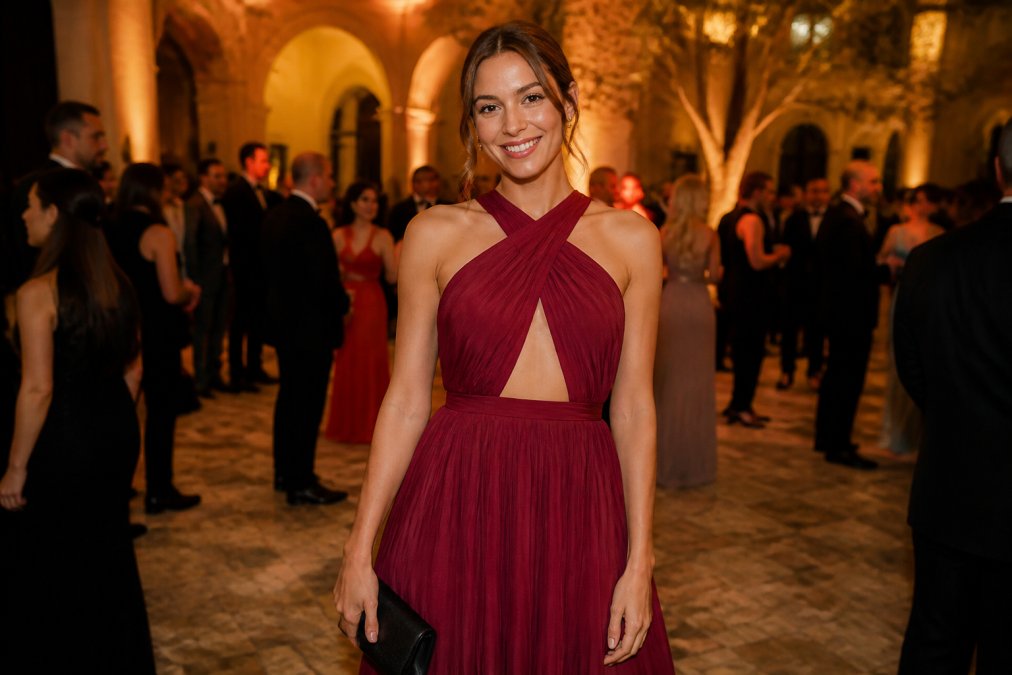
For events where first impressions matter, hire gives you access to current seasonal collections and brand equity that would otherwise be out of reach. Wearing a Mara Hoffman or Hervé Léger to a wedding reception is a different experience from wearing a fast fashion alternative, and hire makes that experience available without permanent financial commitment.
Customer feedback from Style Me Up wearers captures this well. One customer described feeling "so beautiful" wearing a hired gown to her baby shower; another wore a hired dress to her wedding reception and noted it was "so much fun to dance in."
Luxury Access Without the Investment Piece Price Tag
Sustainable fashion alternatives built around hire give wearers access to luxury fashion at a fraction of the retail price. The Style Me Up range includes pieces like the Hervé Léger Strappy Fringe Gown, crafted from recycled yarns with a sculpted drop-waist silhouette and cascading fringe. The Manning Cartell Limitless Halter Knit Dress is made from an Eco-Vero Viscose blend yarn in a luxe Milano stitch knit. The Mara Hoffman Zia Dress is crafted from organic cotton with signature poplin ruffles.

Sizing, Fit Accuracy, and Damage Liability
Sizing is the most common objection to hiring online. Formal attire needs to fit well, and the consequences of a poor fit at a wedding or gala are significant. The most reliable way to resolve this is a try-on appointment, which allows you to assess fit, movement, and comfort before committing.
Style Me Up offers boutique try-on appointments for this exact reason. For those ordering via nationwide delivery, the team provides sizing support to help match body measurements to garment specifications accurately.
Damage liability is another practical consideration. Before hiring any garment, understand clearly what the return policy covers, what constitutes fair wear versus damage, and whether a security bond applies. Reputable hire services have transparent policies on this.
How Designer Dress Hire Duration Affects Your Decision
Designer dress hire duration is a practical factor that shapes the value equation. Hire periods vary: some services offer a single-day rate, others offer multi-day windows that accommodate travel, interstate events, or back-to-back occasions.
For a single local event, a shorter hire period is typically sufficient. For a destination wedding or a weekend of celebrations, a longer hire window removes the stress of tight return logistics. Style Me Up offers flexible hire durations, which matters when your event schedule does not fit a rigid one-size model.
Explore our Australia-wide designer dress hire →
The hire duration also affects shipping costs in the overall calculation. Nationwide delivery means the garment travels to you and back, and understanding the full logistics picture, including return shipping arrangements, helps you compare hire against purchase accurately.
The Circular Fashion Economy in Australia and Why It Matters
The circular fashion economy is a system designed to keep garments in use for as long as possible, reducing the volume of textile waste that ends up in landfill. Australia generates significant textile waste annually, and occasion wear, with its pattern of single or minimal use, is a disproportionate contributor to that problem.
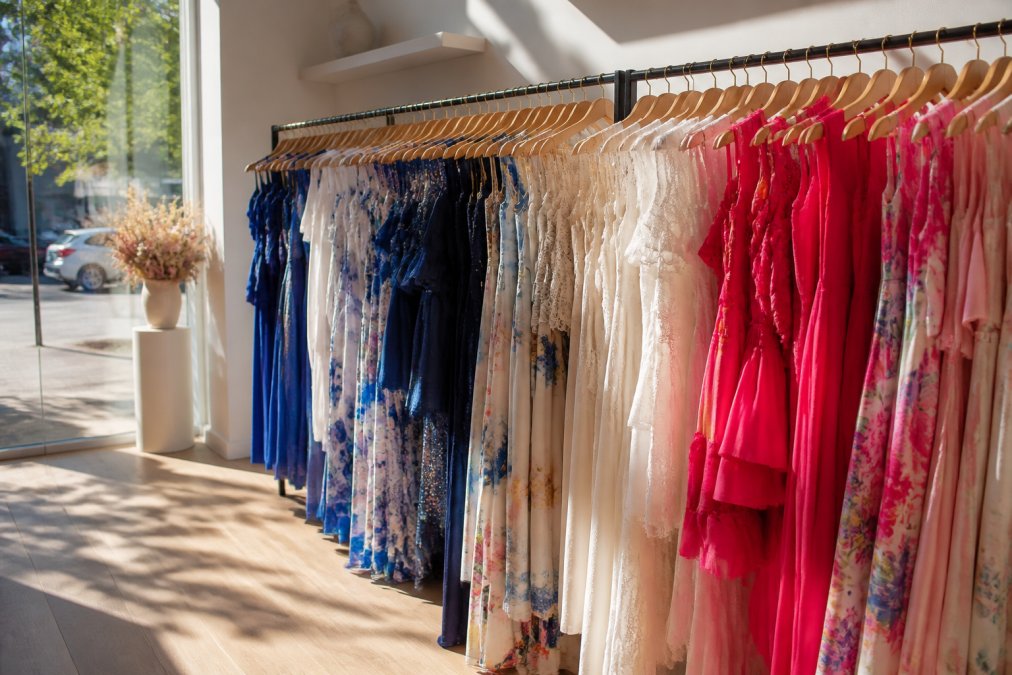
Hire is one of the most effective mechanisms for extending garment lifecycle. When a single dress is worn by ten different people across two years rather than worn once and stored, the environmental impact per wear drops dramatically.
According to the Australian Government's National Waste Policy framework, reducing textile waste is a recognised priority within broader waste reduction strategies. Hire models directly support this goal by keeping garments circulating rather than discarding them.
Garment Lifecycle and Textile Waste
Garment lifecycle is the measure of how long a piece of clothing remains in active use before it is discarded. Fast fashion has compressed this lifecycle dramatically, with many garments worn only a handful of times before disposal. Occasion wear purchased for a single event represents an extreme version of this pattern.
Hire extends the lifecycle by design. Professional cleaning and conditioning between wearers maintains garment condition, meaning the dress remains wearable across many hire cycles. This is fundamentally different from the buy-wear-store-discard pattern that characterises most occasion wear purchasing.
Sustainable Fabrics Already in the Hire Range
The sustainable fashion conversation concerns not only how garments are used, but how they are made. Several pieces in the Style Me Up hire range are constructed from materials with genuine sustainability credentials.
The Hervé Léger Strappy Fringe Gown is crafted from recycled yarns. The Manning Cartell Limitless Halter Knit Dress uses Eco-Vero Viscose blend yarn, a fibre produced with lower resource intensity than conventional viscose. The Mara Hoffman Zia Dress is made from organic cotton. These are material specifications that reflect genuine differences in how the garments were produced.

Textile Exchange's global fibre and materials report on sustainable fabric standards
When Buying Still Makes Sense: An Honest Comparison
Sustainable fashion alternatives to buying are not the right answer in every situation. Buying makes sense when a garment will genuinely be worn multiple times across different occasions, when it fills a gap in an existing wardrobe that would otherwise require multiple hires, or when the piece is a true investment item that will hold its value and remain relevant across seasons.
A classic, well-made piece in a versatile colour that works for both formal and semi-formal occasions, and that fits your body without alteration, is a reasonable purchase. The cost-per-wear calculation shifts in your favour the more you actually wear it.
| Scenario | Buy or Hire? | Why |
|---|---|---|
| One-off wedding guest | Hire | Single wear makes purchase cost-per-wear high |
| Three events in one season | Hire each | Hire fee per event likely lower than one purchase |
| Bridesmaid (multiple events) | Hire | Coordinated look without long-term ownership |
| Everyday formal piece | Buy | Multiple wears justify the investment |
| Pregnant or changing body | Hire | Avoids sizing risk and wasted expenditure |
The question to ask is not "can I afford to buy this?" but "how many times will I actually wear this, and does that justify the total cost of ownership?"
Sustainable Fashion Alternatives to Buying: Choosing the Right Path
Sustainable fashion alternatives are not a single solution. They are a set of options, each suited to different situations, budgets, and event types. The right path depends on how often you attend formal events, how important fit and label are to your experience, and how much you value the convenience of a managed hire process versus the ownership of a garment.
For most women attending one to three formal events per year, hire is the clearest sustainable fashion alternative. The cost-per-wear is lower, the environmental footprint is smaller, and the access to designer labels is broader than purchasing at equivalent price points. For those who attend events frequently and want variety without accumulating wardrobe clutter, hire also wins on practical grounds.
The Style Me Up approach is built around making this choice easy. Nationwide delivery removes the geographic barrier. Flexible hire durations accommodate different event schedules. The boutique try-on experience on the Central Coast addresses the fit concern directly for those who can access it. For everyone else, the sizing support built into the service does the same job remotely.
Occasion wear does not need to mean a wardrobe full of dresses worn once. The circular fashion model makes luxury access, environmental responsibility, and wardrobe management compatible goals rather than competing ones.
Wardrobe clutter, textile waste, and the financial weight of occasion wear purchased for a single event are problems that sustainable fashion alternatives solve directly. Style Me Up offers nationwide designer dress hire with flexible durations, hassle-free returns, and access to premium labels including Hervé Léger, Manning Cartell, and Mara Hoffman, so you can attend every event dressed beautifully without the cost or the clutter of ownership. Explore our Australia-wide designer dress hire and find your perfect look for the next occasion on your calendar.
Frequently Asked Questions
Is renting a dress cheaper than buying?
For one-time or infrequent events, renting is almost always cheaper than buying. When you factor in the retail price of a designer garment, plus dry cleaning, alterations, and long-term storage, the total cost of ownership climbs well above a single hire fee. Renting gives you access to the same designer labels at a fraction of that total spend, with no ongoing costs after the return.
Is renting a dress more environmentally friendly than buying?
Generally, yes. Every garment a hire service puts into rotation across multiple wearers reduces the number of new items manufactured. Fast fashion relies on high-volume, low-cost production that generates significant textile waste. Renting extends a garment's lifecycle and keeps it out of landfill longer. Some hire services also stock dresses made from recycled or organic materials, which compounds the environmental benefit further.
How does dress hire contribute to a circular fashion economy?
A circular fashion economy keeps garments in use for as long as possible rather than discarding them after one or two wears. Dress hire services sit at the centre of this model: a single designer gown worn by dozens of different people over its lifetime represents a dramatic reduction in fashion consumption compared to each person buying their own. This shared-use approach reduces demand for new production and cuts the volume of clothing ending up in landfill.
What should I look for when choosing a sustainable dress hire service?
Check whether the service stocks garments made from sustainable or recycled fabrics, and ask about their garment care processes. Transparent return policies, clear damage liability terms, and honest sizing guidance all signal a trustworthy provider. A boutique try-on option is worth seeking out if fit accuracy matters to you. Nationwide delivery coverage and flexible hire durations give you more control over the experience from start to finish.
This article was written using GrandRanker