
Is Hiring Designer Dresses Cheaper Than Buying?
Table of Contents
- The True Cost of Hiring Designer Dresses vs Buying
- The Hidden Costs of Buying a Designer Dress
- Renting vs Buying Occasion Wear: A Practical Breakdown
- Designer Dress Hire Australia: How It Actually Works
- Sustainability: Is Hiring Designer Dresses Better for the Environment?
- When Buying Still Makes Sense
- Conclusion
Last Updated: August 17, 2026
Hiring designer dresses is almost always cheaper than buying them outright, especially for one-off occasions like weddings, formals, and black-tie events. Below, we break down the real numbers, the hidden costs most people overlook, and the situations where buying still wins.
The True Cost of Hiring Designer Dresses vs Buying
The financial case for hiring designer dresses is straightforward once you lay out what each option actually costs. Buying the same garment at retail price often costs several times that, with many designer formal pieces sitting well above $800 and luxury labels climbing past $2,000.
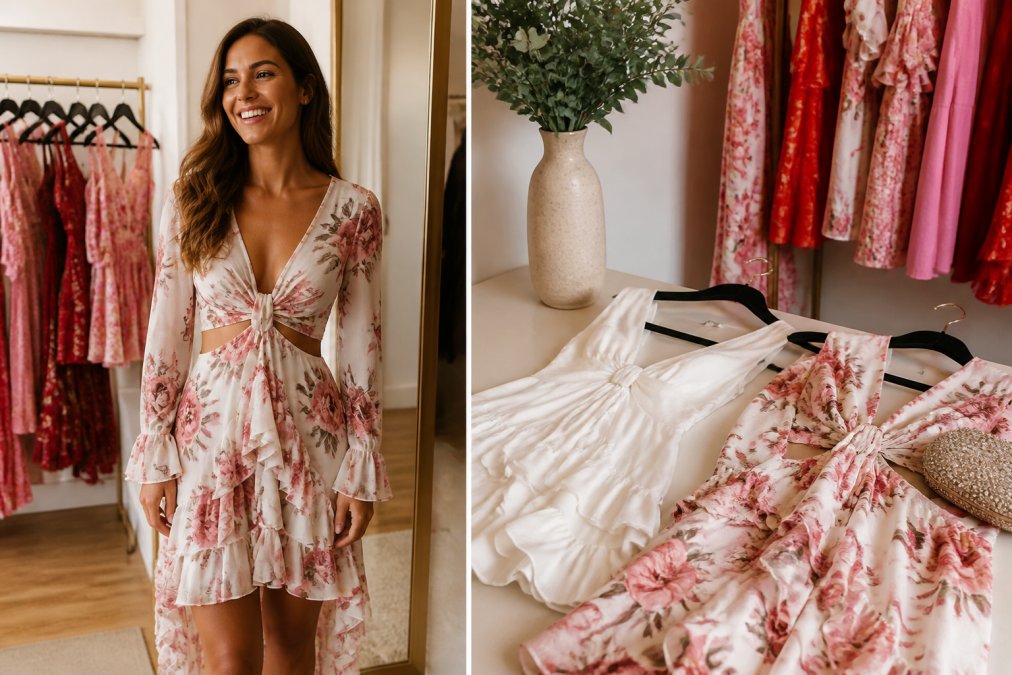
The concept of cost-per-wear is what makes this comparison so stark. If you buy a $1,200 designer dress and wear it once, your cost-per-wear is $1,200. Hire the same dress for $300 and your cost-per-wear is $300. Wear a hired dress to three separate events over two years and your average cost drops further still.
What You Actually Pay to Hire
Hiring designer dresses through a service like Style Me Up means you pay a hire fee that covers a set period, typically four to seven days. The Giambattista Valli Tulle Strapless Mini Dress and the Alice + Olivia Delora Feather Cuff Mini Dress both hire for $163.90. The iconic Versace J-Lo Dress hires for $440.00. You may also pay a refundable security bond, and some providers charge for shipping. There are no storage costs, no dry-cleaning bills, and no alterations fees.


What You Actually Pay to Buy
Buying a comparable designer garment at retail price means paying the full purchase price upfront. On top of that, you typically carry the cost of dry cleaning after the event, professional alterations if the fit isn't perfect, and long-term storage. If you eventually sell the dress, resale value for occasion wear is generally low, particularly for trend-driven styles. The total financial outlay is almost always higher than a hire fee for the same dress.
| Cost Factor | Hiring | Buying |
|---|---|---|
| Upfront cost | $163.90 - $440.00 (hire fee) | $800 - $2,000+ (retail price) |
| Dry cleaning | Included by provider | $50 - $150 per clean |
| Alterations | Not required | $80 - $300+ |
| Storage | Not required | Ongoing wardrobe space |
| Resale value | N/A | Often low for occasion wear |
| Cost-per-wear | Low (one event) | High (one or few wears) |
The Hidden Costs of Buying a Designer Dress
Most guides compare hire fees directly against retail price and stop there. That's a mistake. The true cost of ownership for a designer garment includes several ongoing expenses that rarely appear in the initial calculation.
Cost of Dry Cleaning Designer Dresses
Dry cleaning designer dresses is not a minor expense. Delicate fabrics like silk, tulle, lace, and embellished pieces require specialist cleaning, and the cost reflects that. Many dry cleaners charge a premium for formal garments, and structured gowns often cost more than everyday clothing to clean. According to the Australian Competition and Consumer Commission's guidance on pricing transparency, consumers are entitled to clear upfront pricing, but dry-cleaning costs still catch many buyers off guard when the bill arrives after an event.
For someone attending several formal events per year, dry-cleaning costs alone can add up to a meaningful sum. Hiring removes this entirely: the garment goes back to the provider, and cleaning is their responsibility.
Storage, Alterations, and Resale Value
A designer dress needs proper storage to maintain its condition. Dust bags, climate-controlled wardrobes, and padded hangers are not optional for luxury fabrics. Alterations are another cost that buyers often underestimate. A dress that fits well off the rack is the exception rather than the rule, and professional tailoring for formal wear can add significantly to the total spend.
Resale value deserves honest attention. The secondhand market for designer occasion wear exists, but it is uneven. Trend-driven pieces and styles tied to a specific season lose value quickly. A dress purchased for $1,200 may realistically sell for $200 to $400 on resale platforms, depending on condition, brand, and timing. That gap between purchase price and resale recovery is the true cost of ownership, and it is rarely factored into the buying decision.
Renting vs Buying Occasion Wear: A Practical Breakdown
The renting vs buying occasion wear decision comes down to frequency of wear, garment lifecycle, and how much you value wardrobe rotation. For a one-time event, hiring wins on cost almost every time. For someone attending multiple formal events per year in the same style, buying an investment piece may eventually make sense, but that break-even point is further away than most people expect once hidden costs are included.
A useful way to frame the decision is the Total Cost of Ownership calculation:
TCO for buying = Retail price + Alterations + Dry cleaning (per wear) - Resale value
TCO for hiring = Hire fee + Shipping (if applicable)
Run those numbers for your specific situation. For most one-time wears, the TCO for hiring comes out significantly lower. The break-even point for buying only arrives when you can spread the retail price, alterations, and cleaning costs across many wears, which is rarely the reality with formal occasion wear.
For those attending three or more weddings or formal events in a year, hiring each time still often beats buying a single dress and repeating it, particularly when you factor in the social dimension. Many guests prefer not to be photographed in the same outfit at multiple events.
According to the Australian Bureau of Statistics' household expenditure data, clothing and footwear represent a meaningful share of household spending, which makes cost-per-wear thinking increasingly relevant for budget-conscious consumers.
Designer Dress Hire: How It Actually Works
Designer dress hire is simpler than most people assume. You browse available garments, select your size and preferred style, choose your hire period, and arrange delivery or a try-on appointment. The dress arrives ready to wear. After your event, you return it using the prepaid return process.
Style Me Up offers nationwide delivery across Australia, which means you are not limited to a local boutique. For those who want to try before they commit, there is also a boutique try-on experience available on the Central Coast. Flexible hire durations mean you can plan around your specific event timeline.
Explore our Australia-wide designer dress hire →
Sizing, Fit, and the Try-On Experience
Sizing is the most common concern people raise about hiring occasion wear online, and it is a fair one. The good news is that reputable hire services account for this. Style Me Up's team provides sizing guidance, and many garments have some flexibility in fit. The Alice + Olivia Delora Embellished Neck Long Sleeve Lace Mini Dress is described as being able to go up or down depending on body size, which reflects how hire services approach size inclusivity rather than rigid sizing.

For those who can visit in person, a boutique try-on appointment eliminates the guesswork entirely. For everyone else, detailed measurements and communication with the hire team are the practical substitute. This is where a responsive, knowledgeable service team makes a real difference.
Damage Liability and the Security Bond
Damage liability is another area that creates hesitation. Most designer dress hire services require a refundable security bond, held against the possibility of damage beyond fair wear and tear. This is standard practice and protects both parties.
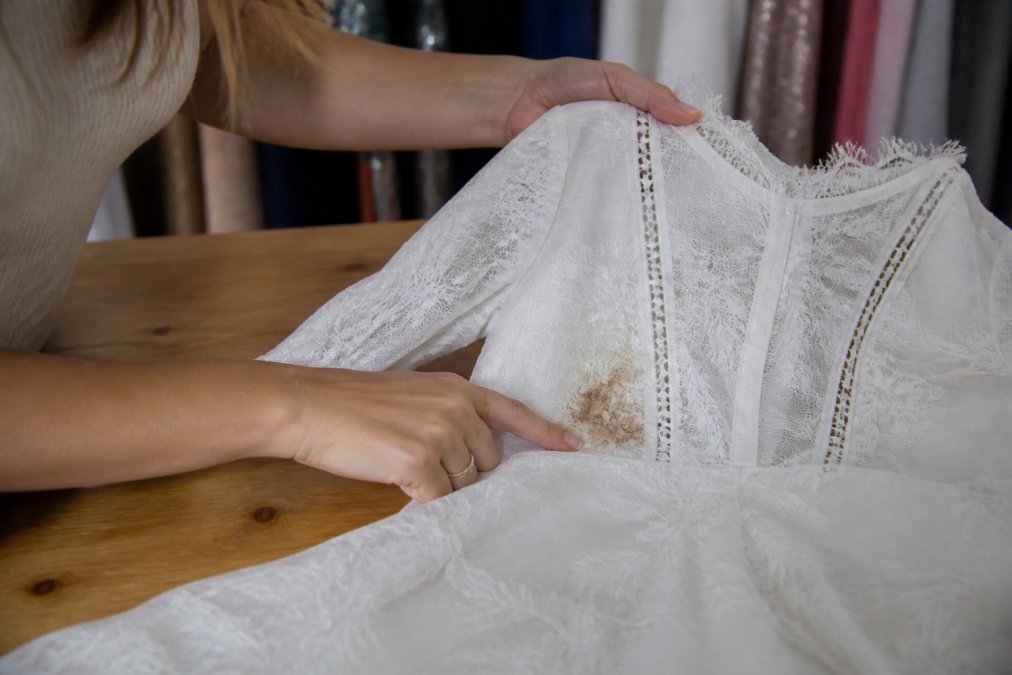
The thing to understand about damage liability is that normal wear, minor creasing, and expected use are not chargeable events. The bond is there for genuine damage: tears, stains that cannot be removed, or missing embellishments. A reputable hire service will have a clear, written policy on what constitutes chargeable damage, and you should read it before hiring. If a dress arrives already damaged or stained, document it immediately with photographs and contact the provider before the event. This protects you from being held responsible for pre-existing issues.
As noted in Australian Consumer Law guidelines on consumer guarantees, goods and services must be fit for purpose, which applies to hired garments arriving in acceptable condition.
Sustainability: Is Hiring Designer Dresses Better for the Environment?
Hiring designer dresses is generally better for the environment than buying new, but the full picture is more nuanced than a simple yes. The core argument for hiring is that it extends the garment lifecycle and reduces the demand for new production. One dress worn by twenty different people over its hire life represents a far lower environmental cost per wear than twenty separate purchases.
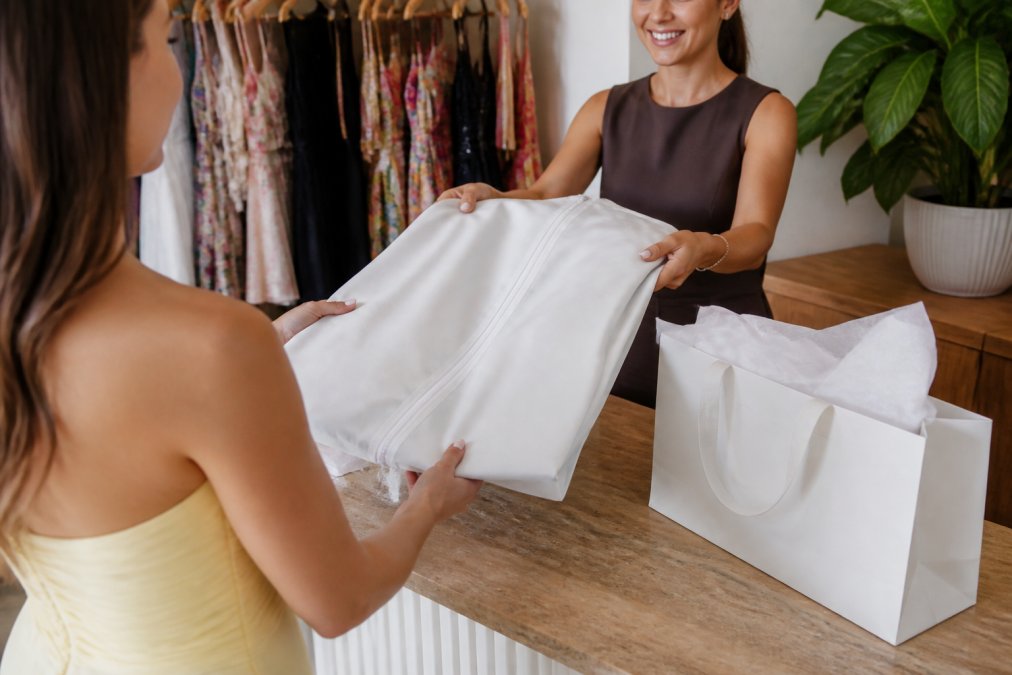
Fast fashion and single-use garment consumption are well-documented contributors to textile waste. The circular economy model that underpins designer dress hire directly counters this: garments circulate through multiple users rather than being manufactured, worn once, and discarded. According to the Australian Government's National Waste Policy framework, reducing textile waste is an identified priority within the broader push toward sustainable consumption.
The counterargument worth acknowledging is that shipping generates emissions, and multiple deliveries across a hire service's customer base do carry a carbon footprint. This is a legitimate point. However, the environmental cost of producing a new garment, including raw materials, manufacturing, and transport from overseas factories, typically exceeds the emissions from domestic delivery many times over.
The honest answer: hiring is the more sustainable choice for most people, most of the time, particularly when compared to buying a fast fashion alternative or a new designer piece worn only once.
When Buying Still Makes Sense
Buying a designer dress makes sense in specific, limited circumstances. If you genuinely love a garment, plan to wear it repeatedly across different occasions, and can style it in multiple ways, the cost-per-wear calculation can eventually favour purchase. An investment piece in a classic silhouette, a neutral colour palette, and a timeless cut has a longer useful life than a trend-led statement piece.
Buying also makes sense if the garment holds sentimental value, such as a wedding dress you intend to keep. Or if you have a very specific fit requirement that cannot be met through hire, and you are prepared to invest in alterations to achieve it.
The Bec + Bridge Pink Moondance Dress, for example, is an elegant bias-cut maxi gown that flatters many body shapes. If you are the kind of person who would reach for a dress like this repeatedly, buying might make long-term sense. For a single wedding or gala, hiring it for $163.90 is the smarter financial move.
Where buying consistently loses: one-time events, trend-driven styles, garments that require significant alterations, and any occasion where you are unlikely to wear the same dress again. That covers the vast majority of formal event dressing for most people.
| Scenario | Hire or Buy? | Reason |
|---|---|---|
| One-off wedding guest | Hire | Low cost-per-wear, no ongoing costs |
| Three events, same season | Hire | Still cheaper than retail + cleaning |
| Sentimental occasion (own wedding) | Buy | Keepsake value justifies cost |
| Classic dress, repeated styling | Buy | Cost-per-wear improves over many wears |
| Trend-led statement piece | Hire | Resale value drops fast |
| Uncertain sizing or fit | Hire | Lower financial risk |
| Black-tie event, designer label | Hire | Access luxury fashion at a fraction of retail |
The real cost of buying a designer dress for a single occasion is almost always higher than people expect once dry cleaning, alterations, and poor resale value are factored in. Hiring gives you access to luxury fashion and brand equity without the financial commitment or the wardrobe clutter. Style Me Up makes the process straightforward, with nationwide delivery, flexible hire durations, and a team that genuinely helps you find the right fit. Explore our Australia-wide designer dress hire collection and find your perfect look for your next event.
Frequently Asked Questions
Is hiring a designer dress cheaper than buying one?
For a single event, hiring is almost always cheaper. Hiring a designer dress typically costs a fraction of the retail price, and the hire fee covers cleaning, so there are no extra costs after the event. Buying the same label means paying full retail, then adding dry cleaning, storage, and potential alterations. If you attend several events a year, hiring each time still tends to cost less than buying multiple designer garments outright.
How much does it cost to hire a designer dress in Australia?
Hire prices vary by label and style. At Style Me Up, dresses from labels like Alice + Olivia and Bec + Bridge start from $163.90 per hire, while statement pieces like the iconic Versace J-Lo dress hire for $440.00. Compare that to retail prices for the same labels, which can run into the thousands, and the cost-per-wear savings are significant, especially for occasion wear you'd only need once or twice.
What are the hidden costs of buying a designer dress?
The purchase price is just the starting point. Designer garments often need professional dry cleaning after each wear, which can cost $40-$80 or more per clean. Formal dresses frequently require tailoring or alterations, adding another $50-$200. Long-term storage, including garment bags or professional preservation, adds further expense. Resale value also drops sharply once a dress has been worn, so recouping your investment through a second-hand sale rarely covers what you spent.
Is renting clothes more sustainable than buying new?
Hiring extends a garment's lifecycle across multiple wearers, which reduces the demand for new production and keeps formal attire out of landfill. Fast fashion and one-time-wear purchases contribute significantly to textile waste. Dress hire supports a circular economy model where a single designer garment serves many occasions rather than sitting unworn in a wardrobe. While delivery packaging does create some footprint, sharing one dress across many events is generally more resource-efficient than producing a new one for each wearer.
This article was written using GrandRanker