

How to Care for a Rented Designer Dress: 2026 Guide
Table of Contents
- What to Check Before You Wear Your Rented Designer Dress
- Getting Ready Without Damaging Delicate Fabrics
- How to Remove Stains from Delicate Fabrics During Your Event
- What Happens if You Damage a Rental Dress
- The Dress Hire Return Process: Step by Step
- Storing and Transporting Your Hire Before and After the Event
- Common Mistakes to Avoid with Designer Dress Hire
- Frequently Asked Questions
Last Updated: September 10, 2026
What to Check Before You Wear Your Rented Designer Dress
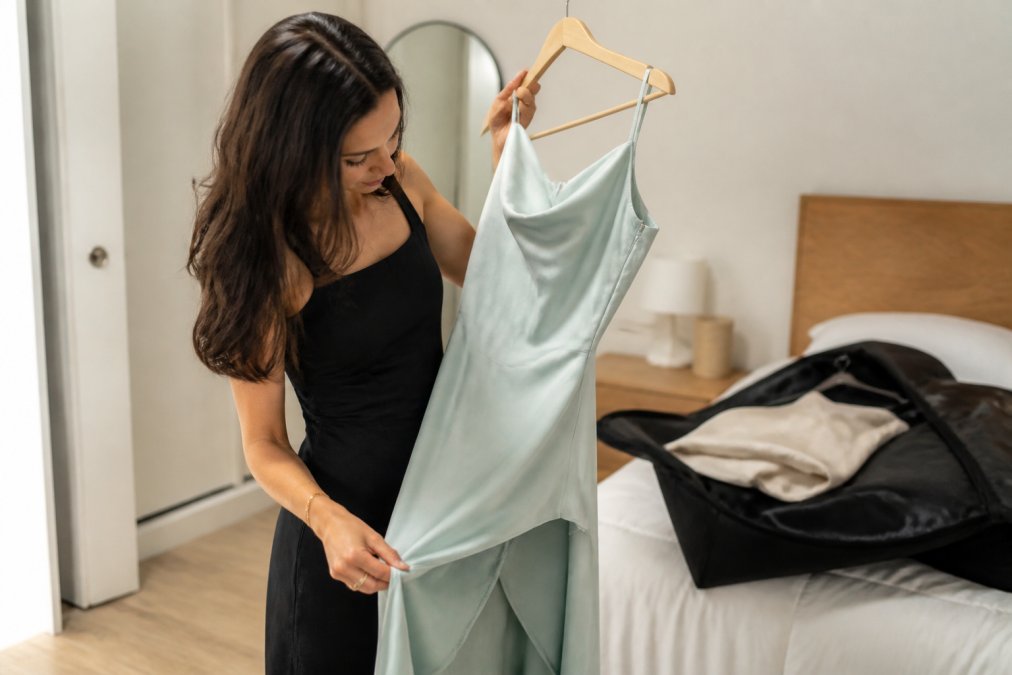
Knowing how to care for a rented designer dress starts before the event does. A five-minute inspection when your parcel arrives protects you from being blamed for damage you never caused. At Style Me Up, we walk customers through the process at our Central Coast try-on appointments.
The ACCC guidance on consumer guarantees and hire agreements confirms that hire businesses must be upfront about liability terms before you commit, so read your rental contract the day the dress lands, not the night before the wedding.
The Pre-Wear Inspection Checklist
Work through this list the moment you unbox, and photograph anything that looks off:
- Photograph the dress front and back on the hanger, in daylight
- Check the hemline for pulled threads or scuffs
- Test the zipper up and down three times
- Inspect sequin care areas and beading for loose pieces
- Look at underarms for deodorant stains
- Confirm the fit around the bust, waist and hips
- Compare what you see against the condition report
If something does not match the report, email the hire company immediately with your photos, timestamped evidence taken on arrival protects you later.
Getting Ready Without Damaging Delicate Fabrics
Dress last, and keep your beauty routine away from the garment. Delicate fabrics like silk, lace and beaded mesh absorb whatever touches them first, which is why tanning lotion transfer and deodorant stains are the two most common damage claims in dress hire.
Apply deodorant, moisturiser and tanning products at least 20 minutes before you dress, and let everything dry completely (the American Academy of Dermatology). Choose a clear, cream-based deodorant over a spray, and never apply perfume directly to silk or lace. Spray it into the air and walk through the mist instead.
Deodorant, Tanning Lotion, and Perfume
- Tanning lotion: apply the night before where possible, and rinse any guide colour off before you dress
- Deodorant: clear stick formulas mark less than sprays or roll-ons
- Perfume: mist and walk through, never spray the fabric
- Hairspray: set your hair before the dress goes on, since overspray leaves a stiff, visible residue
If you are travelling to the venue, change there rather than sitting in the dress for an hour in a car.
How to Remove Stains from Delicate Fabrics During Your Event
The first 60 seconds after a spill decide whether the mark lifts cleanly or sets into the fibre. The difference between a dress that returns without comment and one that triggers a repair charge is almost always the speed and type of your first response, not the product you use.
Work in this order, and stop as soon as the mark stops transferring:
- Lift, don't press. Scoop solids off with the edge of a spoon or a stiff card. Pressing drives the substance deeper into the weave.
- Blot from the outside in. Use a clean, white, absorbent cloth or napkin. Work from the edge of the stain toward the centre so you do not spread the ring outward.
- Match the liquid to the spill. Water-soluble spills (wine, soft drink, most sauces, fruit juice) respond to a cloth dampened with cold water. Greasy spills (butter, oil, makeup, salad dressing) need a dry cloth first, water spreads grease and can leave a tide mark.
- Air-dry away from heat. Never use a hairdryer, radiator or hand dryer. Heat sets both sugar-based and protein-based stains permanently.
- Tell the hire company. A disclosed fresh stain is a cleaning job; a hidden one discovered on return is a damage claim.
What to Do in the First 60 Seconds, by Fabric
Fabric type changes the response more than the stain does. A treatment that rescues a polyester blend can ruin silk or dull a sequin finish.
- Silk and satin: blot only, with a dry white cloth. Do not add water, silk is prone to water rings and dye bleed. Never rub; the fibre surface marks permanently. If the spill is substantial, stop and let it dry undisturbed.
- Lace: blot gently through the backing, never scrub across the openwork, which snags and distorts the pattern. Do not pull the lace taut while blotting.
- Sequins and beading: tilt the garment so the spill runs off the embellishment rather than pooling in the stitching. Blot the fabric underneath, not the sequins themselves, which can lift or scratch. Never use a stain pen, the solvent can cloud the coating.
- Velvet: blot upright and never press, because crushed pile does not recover. Do not add water; velvet marks badly and the nap direction will show the repair.
- Sturdy fabrics (crepe, ponte, most blends): the most forgiving category. Cold-water blotting is usually safe, and a travel stain pen is acceptable on a fresh, small mark.
What Never to Use
- Salt. It draws dye and leaves a bleached patch on coloured fabric.
- Soda water. The carbonation and sugar can set a ring and attract more dirt.
- A friend's stain pen. You do not know what solvent is in it, and it may lift colour from a print or beading.
- Tissue or coloured napkins. Lint and dye transfer are their own damage claim.
- Rubbing, scrubbing or scrunching.
DIY Versus Professional Cleaning
Attempting your own treatment is reasonable for a fresh, water-based spill on a sturdy fabric, but the wrong call on silk, beaded panels, sequins, velvet or colour-block prints, where a home remedy can lift dye, dull a finish or leave a visible ring. If unsure, blot once, stop, and let the hire company's cleaners handle it, most rentals include professional cleaning, and a disclosed stain is far cheaper than a concealed one.
What Happens if You Damage a Rental Dress
Damage is usually resolved through a damage waiver, a security deposit, or a direct charge for replacement or repair. A damage waiver is an optional fee covering accidental damage during the rental period, while a security deposit is a refundable amount held against loss or serious damage. Reading which applies to you before the event is the difference between a small fee and a large one.
Damage Waivers and Protection Plans: Are They Worth It?
A damage waiver typically covers minor accidents, a small spill, a pulled thread, a loose bead, but rarely loss, theft, or damage the hire company deems negligent. Wear and tear is almost never charged to the customer.
Whether the add-on is worth buying depends on three things:
- The dress value versus the waiver fee. A waiver priced at a small percentage of the hire fee is cheap insurance on a high-value gown. On a lower-value hire, it can cost more than the realistic repair it protects against.
- What is excluded. Read the exclusion list, not the headline. Common exclusions include loss, theft, cigarette burns, ink, and damage from alterations or attempts to clean the garment yourself.
- Your own risk profile. A seated dinner means low exposure. A dance floor, a summer marquee, or anywhere near red wine and a crowd means the waiver earns its keep.
The waiver is generally worth it for beaded, sequinned or light-coloured gowns, and optional for sturdy, dark, simple fabrics where a minor mark is unlikely to be visible or costly.
Explore our Australia-wide designer dress hire →
How Liability Is Actually Assessed
When a dress comes back with damage, the hire company generally follows a sequence:
- Compare against the condition report. This is why the arrival photos matter, they establish the baseline.
- Classify the damage. Wear and tear is absorbed by the business. Accidental damage may fall to the waiver. Negligent damage or loss falls to you.
- Quote the remedy. Minor damage is usually a repair or cleaning charge. Irreparable damage is charged at replacement cost, the retail value of the garment, not the hire fee.
- Apply the deposit or waiver. If a waiver covers the event, the charge is reduced or waived. If not, the deposit is drawn down and any shortfall is invoiced.
Check three things in your rental contract before you commit:
- What the waiver covers, and what it explicitly excludes
- Whether the security deposit is refunded automatically or only on request
- What happens if the dress is lost or stolen during your rental period
If the dress is genuinely damaged, contact the hire company as soon as possible with photos and a description. Hiding it is the fastest way to turn a small repair into a full replacement charge.
ACCC guidance on consumer guarantees and hire agreements
The Dress Hire Return Process: Step by Step
The dress hire return process is straightforward when you follow the courier instructions supplied with your order. Most providers include a prepaid return satchel, and the deadline is usually the next business day after your event.
- Re-pack the dress in the garment bag it arrived in
- Include any accessories, belts or spare straps
- Place everything inside the prepaid return satchel
- Seal it and attach the label exactly as directed
- Lodge it at the nominated courier point and keep your receipt
- Photograph the sealed satchel before you hand it over
- Note the tracking number and the lodgement time
Do not wash, dry clean or attempt repairs yourself unless the hire company asks you to, most rentals include professional cleaning, and a home wash is one of the fastest ways to void your own protection.
Storing and Transporting Your Hire Before and After the Event
Hang the dress, do not fold it. Folding creases beading and compresses lace, and a crease that sits for two days can be difficult for even professional cleaning to lift.
For storage and transport:
- Keep the dress in its garment bag on a padded hanger
- Hang it in a cool, dark spot away from direct sunlight
- Never store it in a car boot for long periods, especially in summer
- If you must travel with it, lay it flat in the garment bag and hang it as soon as you arrive
- Keep it away from pets, smokers and cooking fumes
If you are not returning the dress the next morning, hang it somewhere airy overnight rather than leaving it crumpled in the satchel.
Common Mistakes to Avoid with Designer Dress Hire
The mistakes that cost people money are almost always avoidable. Avoiding them is the real skill in how to care for a rented designer dress, and each takes seconds to prevent.
- Skipping the arrival inspection. No photos means no proof, and the dispute becomes your word against theirs.
- Wearing the dress to get ready. Makeup, hairspray and perfume all transfer before you reach the venue.
- Rubbing a stain. Rubbing spreads the mark and damages the weave.
- Washing or dry cleaning it yourself. This voids most hire agreements.
- Missing the return deadline. Late returns commonly attract additional hire charges.
- Removing or altering tags. Fit and alterations should be sorted with the hire company beforehand, never with scissors.
- Ignoring the rental contract. The liability terms are the whole agreement in one page.
Renting a designer dress should feel exciting, not risky, and the difference comes down to a short checklist and a bit of care on the day. Style Me Up makes it easier with nationwide delivery, a relaxed boutique try-on experience on the Central Coast, flexible hire durations, and a hassle-free return process, so you can focus on the event instead of the logistics. If you have questions about fit, sizing or care, our team is happy to help before you book. Explore our Australia-wide designer dress hire and find your next look with confidence.
Frequently Asked Questions
Do I need to dry clean a dress before returning it to the hire service?
No, you should never dry clean a hired dress yourself. Professional cleaning is included in your rental fee and handled by the provider after you return it. Home dry cleaning or hand washing can damage delicate fabrics, sequins, or beading and may void your rental contract. If the dress has a minor mark, blot it gently and note it on your return form. The provider's own professional cleaning team knows the correct method for each garment.
What happens if I accidentally damage a rented designer dress?
Contact the hire service immediately and be honest about the damage. Most providers distinguish between wear and tear, which is covered, and significant damage, which may incur a repair or replacement cost. Check your rental contract for details on liability and whether a damage waiver was included. Repairing a hemline or replacing a zipper usually costs far less than replacing the whole dress. Hiding damage almost always makes the situation worse.
How should I store my rental dress before the event?
Keep the dress in its garment bag, hung on a padded hanger in a cool, dry place away from direct sunlight. Avoid cramming it into a wardrobe where sequins or beading can snag on other clothing. If the dress arrives folded, hang it up as soon as possible so creases fall out naturally. Never store a designer dress in a plastic dry-cleaning bag long-term, as trapped moisture can affect delicate fabrics like silk.
What are the most common mistakes to avoid when wearing a rental dress?
The biggest mistakes are applying perfume, deodorant, or tanning lotion directly onto the dress, eating messy food without a napkin across your lap, and rushing the return. Spray perfume before you dress, not after. Keep a stain pen in your clutch for spill management. And always complete your pre-wear inspection checklist so you can flag any existing issues before the event rather than being blamed for them afterward.